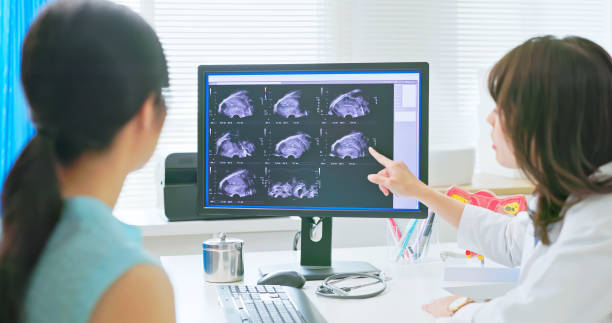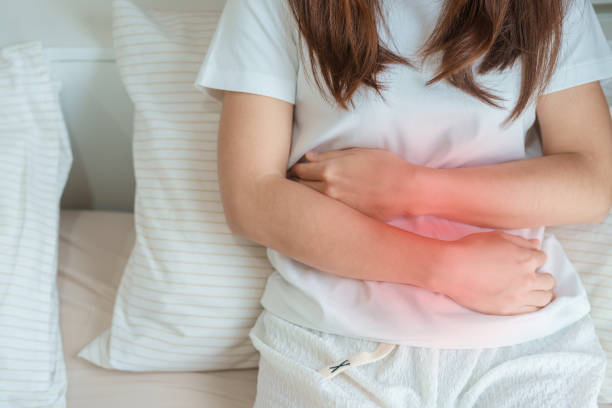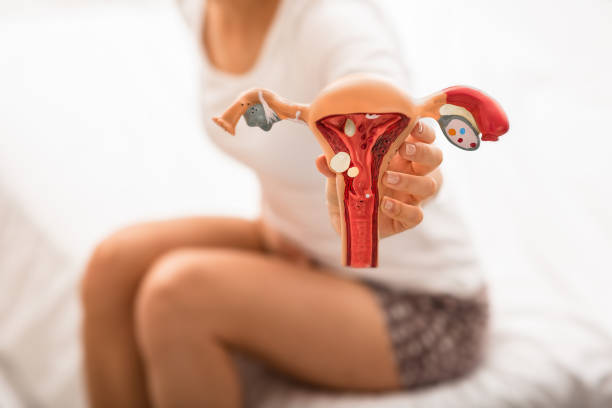
While many people with endometriosis find relief through medications and lifestyle modifications, there are cases where these approaches are insufficient. Surgery can be an effective option for managing endometriosis pain when other treatments fail or when complications arise.
When Should Surgery Be Considered?
Surgery is typically considered in the following scenarios:
– Severe or persistent pain: When pain significantly disrupts daily life despite medications such as hormonal therapy or over-the-counter pain relievers.
– Failed non-surgical treatments: If conservative treatments like hormonal therapy, dietary changes, or physical therapy do not provide adequate relief.
– Endometriosis-related complications: If there are signs of advanced disease, such as ovarian cysts (endometriomas) or extensive scar tissue (adhesions), that impair organ function.
– Infertility concerns
Types of Surgery for Endometriosis
- It involves inserting a small camera through tiny incisions in the abdomen to locate endometrial lesions.
- Surgeons can remove (excision) or destroy (ablation) abnormal tissue during the procedure.
- Benefits include shorter recovery time and reduced scarring compared to open surgery.
- This is a more invasive procedure involving a larger incision in the abdomen.
- It is usually reserved for severe cases with extensive disease or complications.
- Recovery takes longer than with laparoscopy but may be necessary for complex cases.
How Surgery Provides Relief
Surgery aims to address both the symptoms and underlying causes of endometriosis-related pain.
- Removal of lesions reduces sources of inflammation in affected areas such as ovaries, fallopian tubes, bladder, intestines, or pelvic walls.
- Treating adhesions restores organ mobility and prevents associated discomfort.
- Excision techniques provide longer-lasting relief compared to tissue ablation since they remove abnormal tissue entirely.
| Surgical Techniques | Benefits | Potential Risks |
| Laparoscopy | Minimally invasive; quicker recovery | Risk of recurrence |
| Excision | More effective at preventing relapse | Requires skilled surgeons |
| Ablation | Targets superficial lesions quickly | May leave deeper tissue |
Factors to Discuss With Your Doctor
Before deciding on surgery, consult a qualified gynecologist or surgeon who specializes in endometriosis.
– The extent and location of your disease based on imaging studies or prior evaluations. – Your overall health and tolerance for surgical risks. – Whether you’re planning on having children in the future—some procedures may impact fertility. – Post-surgical care plans that may involve physical therapy or continuing medical treatment.
While surgery isn’t always necessary for every individual with endometriosis, it can be life-changing for those whose symptoms severely impact their quality of life. Understanding when it’s appropriate to consider this option—and how it can help—ensures you take proactive steps toward relief.
One of its hallmark symptoms is severe and chronic pain, which can significantly impact daily life. This pain arises due to the unique nature of how endometrial-like tissue grows outside the uterus, leading to various physiological responses that contribute to discomfort. Understanding the mechanisms behind this pain is key to better management and treatment.
Understanding Pain at an Endometriosis Center in Washington DC
There are several reasons why endometriosis results in severe and chronic pain.
- Inflammation:
The presence of endometrial-like tissue outside the uterus triggers an inflammatory response. The immune system perceives this tissue as abnormal, which leads to the release of inflammatory chemicals like cytokines and prostaglandins. These substances irritate surrounding tissues, causing pain. - Nerve Involvement:
Endometrial lesions often affect nearby nerves or produce their own nerve supply (a process called neurogenesis). This can amplify sensations of pain, particularly in areas rich in nerve endings, such as the pelvis. - Adhesions and Scarring:
These adhesions bind organs together abnormally—such as the ovaries and bowel—causing restricted movement and additional discomfort. - Cyclic Nature:
Pain associated with endometriosis often worsens during menstruation because these tissues respond to hormonal changes just like the uterine lining does. However, unlike menstrual blood from within the uterus, there’s no natural way for this displaced tissue to exit the body.
Types of Pain Associated with Endometriosis
| Type of Pain | Description |
| Pelvic Pain | Persistent or cyclic sharp or dull aches felt throughout the pelvic region. |
| Dysmenorrhea | Severe cramping and lower abdominal pain during menstruation. |
| Dyspareunia | Pain during sexual intercourse due to deep penetration-induced irritation |
| Lower Back Pain | Radiating aches that stem from pelvic inflammation or adhesions nearby |
| Bowel/Bladder Discomfort | Cramping or urgency related to bowel movements or urination |
Factors That Can Worsen Endometriosis Pain
- Delayed Diagnosis– Untreated progression may increase lesion size and adhesion formation.
- Stress– Emotional stress can heighten an individual’s perception of physical discomfort.
- Hormonal Imbalances– Hormonal fluctuations could worsen inflammation.
- Dietary Triggers– Foods high in sugar or processed ingredients may aggravate inflammatory pathways.
Managing Chronic Endometriosis Pain
- Over-the-counter anti-inflammatory medications (e. g.
- Hormonal therapies such as oral contraceptives
- Physical therapy for pelvic floor dysfunction
- Stress reduction techniques like yoga or meditation
- Surgical interventions when conservative treatments prove ineffective
By addressing these underlying causes, healthcare providers aim not only to reduce physical symptoms but also improve quality of life for those affected by this often-debilitating condition.
Why Endometriosis Causes Severe and Chronic Pain
To better understand why endometriosis pain can be so intense and persistent, it helps to examine its underlying mechanisms and contributing factors.
Mechanisms Behind Endometriosis-Related Pain
- The ectopic endometrial-like tissue reacts similarly to normal endometrial tissue during the menstrual cycle.
- When this tissue breaks down and bleeds during menstruation, the blood has no way to exit the body, causing localized inflammation.
- This inflammatory response releases chemicals like prostaglandins and cytokines that irritate surrounding nerves and tissues.
- Over time, repeated cycles of inflammation can cause scar tissue (fibrosis) to develop around affected areas.
- Adhesions form when bands of scar tissue bind organs together, leading to restricted movement, pelvic pain, and discomfort during physical activity or intercourse.
- Endometriotic lesions can invade nerve-rich areas within the pelvis, such as near uterosacral ligaments or near nerve plexuses.
- These lesions may stimulate or even entrap nerves, resulting in sharp or radiating pain that can persist beyond menstruation.
- Endometriosis is estrogen-dependent; higher levels of estrogen can stimulate lesion growth and exacerbate symptoms.
- Hormonal fluctuations during the menstrual cycle often intensify pain sensitivity.
Types of Pain Associated with Endometriosis
- Dysmenorrhea (Painful Periods): Cramping that begins before menstruation starts and may worsen over time.
- Chronic Pelvic Pain: Persistent pelvic discomfort lasting six months or longer.
- Dyspareunia (Pain During Intercourse): Often linked with adhesions or deep infiltrating endometrial lesions.
- Lower Back Pain: May occur due to inflammation or adhesions affecting nearby structures.
- Bowel or Bladder Pain: Common when lesions affect the intestines or bladder tissues.
Factors That Contribute to Chronic Pain
| Factor | Description |
| Lesion Location | Lesions near nerve clusters are likely to cause more pronounced discomfort. |
| Disease Severity | Advanced stages (III-IV) are often associated with more extensive scarring |
| Central Sensitization | Over time, repetitive pain signals may lead to heightened sensitivity in the nervous system. |
| Delayed Diagnosis | Many patients face years-long delays in diagnosis which allows disease progression. |
Managing Severe Pain
- Nonsteroidal anti-inflammatory drugs (NSAIDs) for inflammation-related discomfort.
- Hormonal therapies such as oral contraceptives or GnRH agonists/antagonists.
- Laparoscopy for removal of visible lesions.
- Advanced procedures like robotic-assisted excision for severe cases.
- Regular exercise tailored to individual tolerance levels.
- Stress-relief practices such as yoga or mindfulness meditation.
Understanding how endometriosis contributes to severe chronic pain is vital for early management strategies tailored specifically to each patient’s needs. Early detection combined with an individualized treatment approach improves quality of life significantly over time.
The Connection Between Endometriosis and Infertility: What You Need to Know
One of the most significant ways endometriosis impacts health is its connection with infertility. Understanding how this condition interferes with reproductive health and what options exist for those struggling with conception is crucial for informed decision-making.
How Endometriosis Affects Fertility
Endometriosis occurs when tissue similar to the uterine lining (endometrium) grows outside the uterus, often on the ovaries, fallopian tubes, or pelvic lining.
- Distorted Anatomy: Adhesions and scar tissue caused by inflammation can alter the shape and function of reproductive organs, making it difficult for sperm and eggs to meet.
- Ovulatory Dysfunction: Inflammation in the ovaries may interfere with ovulation or egg quality.
- Blocked Fallopian Tubes: Endometrial growths can obstruct the fallopian tubes, preventing fertilization.
- Inflammation: Chronic inflammation in the pelvic area may impact implantation or early embryo development.
- Hormonal Imbalance: Hormonal irregularities due to endometriosis may disrupt the menstrual cycle, affecting fertility timing.
Who Is at Risk?
Research suggests that 30–50% of individuals diagnosed with endometriosis encounter some form of infertility during their lives.
Common factors increasing risk include: – Delayed diagnosis leading to advanced disease progression – Family history of endometriosis – Presence of ovarian cysts (endometriomas) – Severe pelvic pain during menstruation or intercourse
Treatment Options
- Surgical Intervention:Laparoscopic surgery can remove adhesions, cysts, and other abnormal tissue while preserving reproductive organs.
- In Vitro Fertilization (IVF): Often recommended when other treatments fail.
- Intrauterine Insemination (IUI): May work well for mild cases combined with fertility medications.
- Lifestyle Modifications:Anti-inflammatory diets, stress management techniques, and regular exercise may help manage symptoms.
| Treatment Option | When It’s Recommended | Potential Benefits | Limitations |
| Medications | Mild symptom management | Reduces pain & slows growth | Not suitable for pregnancy goals |
| Laparoscopic Surgery | Moderate-to-severe cases | Improves chances of natural conception | Risk of recurrence |
| IVF | Severe cases or blocked fallopian tubes | Bypasses anatomical barriers | Costly |
Steps Toward Parenthood
If you have been diagnosed with endometriosis and are considering starting or expanding your family, it’s important to consult both a gynecologist familiar with endometriosis management and a fertility specialist. Early intervention could improve your chances significantly by addressing issues before they progress further.
Endometriosis-related infertility is challenging but not insurmountable. Advances in treatment options mean more individuals than ever before are able to achieve their dream of parenthood despite this diagnosis.
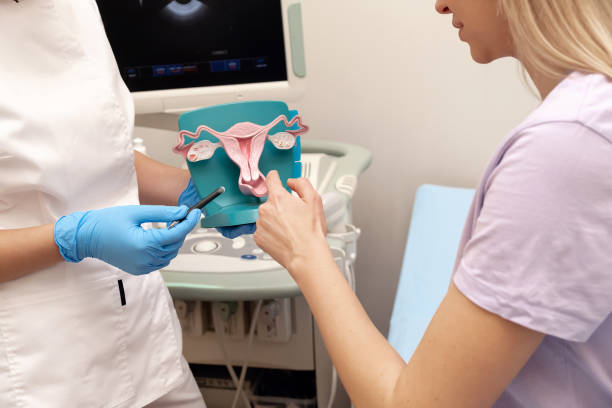
Debunking Myths About Endometriosis With an Endometriosis Specialist in Washington DC
These myths can delay proper care, contribute to stigma, and make managing the disease more challenging. By addressing these misunderstandings, individuals with endometriosis can make informed decisions about their health and treatment options.
Myth 1: Severe Period Pain is Normal
One of the most prevalent misconceptions is that debilitating period pain is just a normal part of menstruation. While mild discomfort during periods may be common, intense pain that disrupts daily life is not normal. Endometriosis often causes severe menstrual cramps due to displaced endometrial-like tissue outside the uterus.
Key Facts:– Normal period pain typically responds well to over-the-counter pain relievers. – Endometriosis-related pain often persists despite medication or feels disproportionate to what is considered typical. – Ignoring severe period pain may delay diagnosis by years.
Myth 2: Pregnancy Cures Endometriosis
The belief that pregnancy can cure endometriosis has been widely debunked. While some individuals experience temporary relief from symptoms during pregnancy due to hormonal changes, this effect is not universal or permanent.
Why This Isn’t True:– Hormonal fluctuations during pregnancy may suppress some symptoms but do not eliminate the underlying condition. – Symptoms can return post-pregnancy or worsen in some cases. – Effective management requires ongoing medical care tailored to the individual.
Myth 3: Hysterectomy Is Always a Cure
A hysterectomy (removal of the uterus) is sometimes touted as a definitive solution for endometriosis. However, this procedure does not address cases of endometrial-like tissue growing outside of the uterus.
Considerations: | Pros | Cons | |—————————-|—————————–| | May alleviate uterine-specific symptoms like adenomyosis | Does not remove extrauterine lesions causing pain | | Can provide relief for coexisting conditions like fibroids | Not suitable for those who wish to preserve fertility |
Hysterectomy should only be pursued after careful evaluation by a specialist.
Myth 4: Only Older Women Get Endometriosis
Endometriosis is often incorrectly thought of as a condition affecting women in their 30s or 40s. In reality, it can occur in any individual with menstrual cycles, regardless of age.
Facts About Onset:– Symptoms often begin in adolescence but are frequently dismissed as “normal teen cramps. ” – Early recognition and intervention improve quality of life and long-term outcomes. – Comprehensive education about menstrual health helps younger individuals recognize abnormal patterns early on.
Myth 5: Laparoscopy Always Provides Immediate Answers
Laparoscopic surgery remains the gold standard for diagnosing endometriosis; however, it does not always yield immediate answers or relief. Surgeons must visually identify lesions during the procedure, which requires expertise and experience.
Important Notes on Diagnosis via Laparoscopy:– Some lesions may be microscopic or atypical in appearance. – A biopsy may be needed for confirmation. – Proper postoperative care ensures long-term success following surgical interventions.
Busting Myths Leads to Better Care
Dispelling myths about endometriosis empowers patients with accurate information for managing their condition effectively. By fostering awareness around symptoms, diagnosis techniques, and treatment options, healthcare providers can help individuals achieve better outcomes while improving overall quality of life.
6 Ways That Robotic Hysterectomy Improves Surgical Outcomes for Endometriosis Patients
Robotic hysterectomy is a technologically advanced surgical procedure that has significantly improved outcomes for patients with severe endometriosis. By leveraging robotic-assisted techniques, surgeons can perform minimally invasive surgeries with enhanced precision and control. Below are six key ways in which robotic hysterectomy benefits patients suffering from endometriosis.
Robotic systems provide surgeons with high-definition, 3D visualization of the surgical site. This detailed view enables the surgeon to accurately identify and address areas affected by endometriosis, even in hard-to-reach locations. The robotic instruments mimic the movements of a human hand but with greater stability and precision, minimizing the risk of accidental damage to nearby organs or tissue.
Compared to traditional open surgery or even standard laparoscopic methods, robotic hysterectomy is associated with smaller incisions, leading to less tissue trauma. This translates into reduced postoperative pain for patients. Many individuals report shorter periods of discomfort as they recover from the procedure.
One advantage of robotic-assisted surgery is the use of tiny incisions rather than large cuts required in open surgeries. Patients generally experience minimal scarring after a robotic hysterectomy, which can be important both cosmetically and psychologically, especially for young women undergoing this procedure.
| Surgical Method | Incision Size | Scarring Risk |
| Open Hysterectomy | Large Incision (10–15 cm) | High |
| Traditional Laparoscopy | Small Incision (~1 cm) | Moderate |
| Robotic-Assisted Surgery | Tiny Incision (<1 cm) | Low |
Patients undergoing robotic hysterectomy typically benefit from quicker recovery times compared to traditional surgical approaches. While recovery after an open surgery may take six weeks or more, many patients resume normal activities within two to four weeks following a robotic-assisted procedure.
The precision provided by robotic systems reduces the likelihood of complications such as excessive blood loss or unintentional injury to surrounding tissues during surgery. Additionally, surgeons have better control over small movements during delicate parts of the procedure, lowering overall risks.
For individuals experiencing debilitating symptoms due to endometriosis—for example, chronic pelvic pain or heavy menstrual bleeding—robotic hysterectomy can offer life-changing relief when other treatments have failed. The removal of affected tissues often alleviates pain and enhances overall quality of life.
Robotic hysterectomy represents an innovative approach in treating advanced cases of endometriosis where conservative methods no longer suffice or are ineffective in managing symptoms effectively. Through its combination of advanced technology and minimally invasive techniques, it continues to improve outcomes for countless patients worldwide seeking relief from this chronic condition.
Understanding Endometriosis Surgery Washington DC: Signs, Symptoms, and Early Management
Despite being a common condition, endometriosis is often underdiagnosed due to its complex presentation and overlapping symptoms with other conditions. Understanding the signs and symptoms can empower individuals to seek timely medical intervention.
Common Signs and Symptoms
Endometriosis manifests in a variety of ways, depending on the severity of the condition and the areas affected.
- Chronic pelvic pain: Persistent pain in the lower abdomen or pelvis, often worsening during menstruation.
- Painful periods (dysmenorrhea): Intense cramping and discomfort that may begin before menstruation and last several days.
- Dyspareunia: Pain during or after sexual intercourse, especially deep penetration.
- Infertility: Difficulty conceiving, which may be a result of scar tissue or adhesions caused by the condition.
- Painful bowel movements or urination: Particularly during menstrual cycles, this symptom might suggest involvement of surrounding organs such as the bladder or bowel.
- Excessive menstrual bleeding: Heavy periods (menorrhagia) or spotting between periods (metrorrhagia).
- Fatigue: Feeling constantly tired or drained, which is commonly reported by patients with endometriosis.
It’s important to note that symptom severity does not always correlate with disease progression; mild cases can cause severe pain while advanced cases may present minimal discomfort.
Overlapping Conditions
The symptoms of endometriosis can mimic other health issues, leading to delays in diagnosis.
| Condition | Similar Symptoms | Primary Differentiator |
| Irritable Bowel Syndrome (IBS) | Bloating, abdominal pain, diarrhea/constipation | Symptoms fluctuate with diet |
| Pelvic Inflammatory Disease | Pelvic pain, heavy bleeding | Typically linked to infection |
| Ovarian Cysts | Pelvic pain | Often sudden onset when ruptured |
A thorough evaluation by a physician experienced in diagnosing endometriosis is essential for distinguishing between these conditions.
Importance of Early Recognition
Diagnosing endometriosis early provides several benefits: 1.Improved treatment outcomes:Early diagnosis allows patients to explore various interventions such as hormonal therapies or lifestyle modifications before complications arise. 2.Preservation of fertility:Timely treatment reduces damage to reproductive organs. 3.Reduced risk of chronic pain:
When Should You Seek Medical Help?
If you experience any combination of the mentioned symptoms consistently over several months—especially if they interfere with daily life—it’s crucial to consult a healthcare provider specializing in gynecological conditions.
By recognizing early warning signs and advocating for yourself during medical consultations, it’s possible to achieve better long-term management and reduce the impact on overall well-being.
Finding an Endometriosis Doctor in Washington DC: Recognizing Symptoms Early for Better Care
Common Symptoms of Endometriosis
Understanding how endometriosis manifests can help individuals seek timely medical attention.
- Chronic Pelvic Pain: Persistent pain in the lower abdomen or pelvic region, often worsening before or during menstruation.
- Painful Periods (Dysmenorrhea): Intense menstrual cramps that may radiate to the back or legs.
- Pain During Intercourse: Discomfort or pain during or after sexual activity, particularly with deeper penetration.
- Excessive Bleeding: Heavy menstrual bleeding (menorrhagia) or spotting between periods.
- Digestive Issues: Bloating, nausea, diarrhea, or constipation, especially around menstruation.
- Infertility: Difficulty conceiving is a common concern for individuals with endometriosis.
- Fatigue: Persistent exhaustion that may not improve with rest.
Not everyone will experience all these symptoms, and their severity can vary widely between individuals.
Less Common Symptoms to Watch For
- Pain during urination or bowel movements.
- Blood in stool or urine during menstruation.
- Sciatic nerve pain radiating down one leg due to deep infiltrating endometriosis affecting nerves.
When to Seek Help
Early recognition of symptoms is crucial because undiagnosed endometriosis can worsen over time.
- Period pain severe enough to interfere with daily activities.
- Pain unresponsive to over-the-counter medications.
- Digestive issues that persist despite treatment for other gastrointestinal conditions.
The Importance of Early Diagnosis
Delayed diagnosis is one of the most significant challenges faced by those with endometriosis; on average, it can take 7–10 years from symptom onset to receive a confirmed diagnosis through laparoscopy or imaging studies like ultrasound/MRI.
- Slow disease progression through hormonal therapies.
- Alleviate chronic symptoms via tailored treatment plans.
- Preserve fertility by addressing reproductive concerns proactively.
Tracking Symptoms for Better Communication With Healthcare Providers
| Symptom | Severity (Mild/Moderate/Severe) | Timing (Days in Cycle) |
| Pelvic pain | ||
| Menstrual cramps | ||
| Fatigue | ||
| Digestive issues | ||
| Other |
Keeping detailed records helps foster more productive discussions during appointments and ensures no important detail is overlooked.
Early recognition combined with prompt intervention is key in managing endometriosis effectively while improving quality of life long-term through individualized treatment strategies tailored specifically toward each patient’s needs.
- Tips for Choosing the Right Endometriosis Surgery in Washington DC
- Understanding Why Washington Endometriosis Causes Severe and Chronic Pain
- Understanding the Risks, Benefits, and Complications of Endometriosis Surgery in Washington DC
- Exploring Surgical Management Options for Washington Endometriosis: Cutting Through the Pain and Finding Solutions
- Finding an Endometriosis Specialist in Washington DC: Symptoms, Diagnosis, and Treatment
- Finding the Right Endometriosis Specialist in Washington DC: Why It Matters
- Exploring Complementary Therapies at the Endometriosis Center Washington DC
- Finding the Right Endometriosis Surgery in Washington DC: Key Questions to Ask